Loading...
Serving Kenner, LA and surrounding areas. (504) 618-1502
Starting a new build or addition in Kenner? We handle every step - soil prep, flood zone compliance, Jefferson Parish permits, and the pour itself - so your foundation lasts instead of settling.
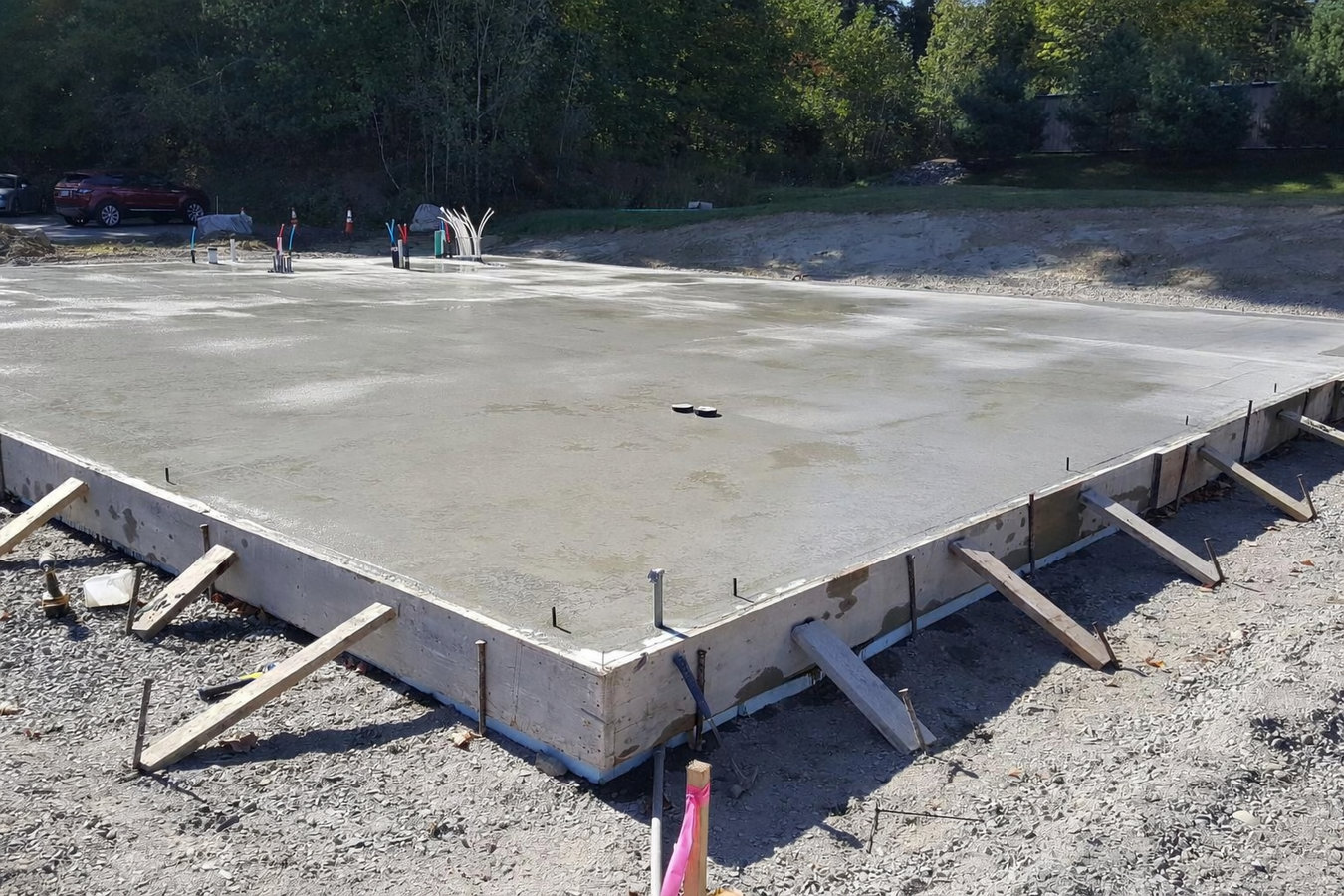
Slab foundation building in Kenner means pouring a reinforced concrete base directly on prepared ground that serves as both the floor and the structural base of your home - most jobs run two to three weeks from permit to completed pour, with full cure strength reached about 28 days after the concrete goes down.
In Kenner, the ground beneath nearly every property is soft, water-saturated deltaic soil that compresses and shifts over time. That is the defining challenge of any slab foundation project here, and it is why soil preparation takes longer - and costs more - than it would in most other parts of the country. Homeowners planning new construction often pair slab work with our concrete footings service when their project includes load-bearing walls or columns that need dedicated footing support beneath the main slab.
Most homes in Kenner were built between the 1950s and 1980s on slabs that are now showing their age. If your floors feel uneven, your doors stick, or you notice moisture coming up through the concrete, those signs point to a slab that may need evaluation - and possibly replacement. We do both new pours and full slab replacements, and we treat the moisture barrier and soil prep the same way on every job.
These are the signs Kenner homeowners most often notice before calling us.
Small hairline cracks in concrete are common, but cracks wider than about a quarter inch, cracks that run diagonally from door corners, or cracks where one side has shifted higher than the other are warning signs. In Kenner, this kind of movement is often caused by the soft soils settling unevenly over time. It is worth having a professional evaluate whether the foundation needs repair or replacement.
When a slab shifts or settles unevenly, the walls and door frames above it shift too. If doors that used to swing freely now stick, drag, or will not latch - or if you notice gaps forming at the tops or sides of door frames - the foundation beneath your home may be moving. This is a common complaint in older Kenner homes built on soils that have continued to compress over decades.
If your tile, hardwood, or vinyl flooring feels damp, develops mold underneath, or shows water staining near the edges of the room, moisture may be migrating up through the concrete slab from the wet soils below. This is a real risk in Kenner given the shallow water table, and it often means the moisture barrier under the original slab was inadequate or has degraded.
The most straightforward sign is simply that you have a construction project that needs a foundation. If you are building a new home, a garage, a room addition, or a substantial outbuilding in Kenner, a concrete slab is almost certainly what your contractor and the parish will require. This is the starting point for nearly all new residential construction in this part of Louisiana.
Every slab foundation project we take on includes the full process: permit application, site preparation and compaction, gravel base and moisture barrier installation, steel reinforcement placement, Jefferson Parish pre-pour inspection, concrete pour and finishing, and coordination of the final inspection. We do not hand you a partially built project and leave the details to someone else. Concrete thickness runs 4 to 6 inches across the floor area, with thickened edge footings - sometimes 12 inches or more - along the perimeter and under load-bearing walls. We also check your property's flood zone designation before we finalize any plan, so the finished floor is at the correct elevation from the start.
We handle new home slabs, addition and outbuilding slabs, and replacement slabs for properties where an existing foundation has settled, cracked, or failed its moisture protection. For homeowners who need a full foundation system - including footings, piers, or elevated construction - our foundation installation service covers those broader scopes. If you are adding a garage or workshop to your property, the process is the same as a home slab - same permits, same soil prep, same inspection requirement.
For homeowners starting ground-up construction - complete site prep, forming, reinforcement, pour, and Jefferson Parish inspection.
For garages, room additions, workshops, and detached structures that need a dedicated concrete base separate from the main home.
For properties where an existing slab has cracked, settled unevenly, or failed its moisture barrier - removed and rebuilt with current standards.
Kenner sits on the Mississippi River deltaic plain, where the soil is made up of soft, water-saturated clay and silt deposited by the river over thousands of years. That ground compresses under weight, shifts with moisture changes, and holds water in ways that most of the country never deals with. The water table in many Kenner neighborhoods is just a foot or two below the surface, which means the moisture barrier beneath your slab is not a formality - it is what keeps your floors dry and your flooring materials intact long-term. Concrete poured on poorly prepared ground in this area can crack and settle within just a few years, which is why experienced local contractors treat soil compaction as one of the most important parts of the job. The LSU AgCenter has documented the soil compressibility challenges specific to Louisiana's deltaic plain, and those conditions directly shape how every slab here should be built.
Flood zone rules add another layer that homeowners elsewhere rarely encounter. Much of Kenner falls within FEMA-designated flood zones, and Jefferson Parish enforces base flood elevation requirements that affect how high your finished floor must sit. Homeowners in Metairie, LA face the same challenges, and so do properties across the river in Gretna, LA - flood zone compliance is a consistent part of foundation work throughout the greater New Orleans metro. Building to the wrong elevation can mean higher flood insurance premiums, difficulty at resale, and real vulnerability during the next major storm. We confirm your property's flood zone status and required elevation before we finalize any plan, so that detail is never left to chance.
Here is the process from first contact to finished slab - no guesswork.
Reach out by phone or online - we respond within 1 business day. We will ask about your project size, your lot, and any drainage or flood zone concerns you already know about.
We visit your property in person to assess soil conditions, confirm dimensions, and check your flood zone status. You receive a written estimate that covers site prep, materials, labor, and permit fees before you commit to anything.
We apply for the required Jefferson Parish building permit - typically a few business days to a week - then prepare the ground: clearing, grading, compaction, gravel layer, and moisture barrier. This step takes one to three days depending on site conditions.
A Jefferson Parish inspector verifies the reinforcement and prep before the pour begins. Concrete trucks arrive and the pour takes most of one day. The slab then cures for at least a week before heavy construction begins on top - we keep you updated on when the site is ready.
We handle permits, flood zone checks, and soil prep - so your foundation is built right the first time. Free on-site estimate, no obligation.
(504) 618-1502Jefferson Parish's deltaic soil compresses and shifts in ways that most of the country never deals with. We spend more time on compaction, gravel base, and organic material removal than many contractors do, because skipping it is the leading cause of slab failure in this area. That preparation is what keeps your foundation level for decades.
Kenner's water table is close to the surface, and moisture wicking up through an unprotected slab leads to damp floors, mold, and ruined flooring. We install a proper moisture barrier on every pour - it is not a line-item upgrade, it is how we do the job. The American Concrete Institute supports this practice as essential for slabs in wet climates.
Much of Kenner falls within FEMA flood zones, and your slab must meet the required elevation for your specific lot. We confirm your property's designation and build to the correct height from day one - so you never face higher insurance premiums or permit violations after the concrete has already been poured.
Advanced Kenner Concrete pulls Jefferson Parish building permits and works in this area regularly. We know which neighborhoods have high water tables close to the surface, which inspectors to coordinate with, and what base preparation the local ground actually requires. That familiarity speeds up your project and reduces surprises.
Every slab we pour in Kenner combines the right soil preparation for delta ground, proper moisture protection for a shallow water table, and elevation compliance for a flood-zone city. Those three things together are what separates a foundation that lasts from one that needs work within a few years of construction.
For permit requirements, see the Jefferson Parish Inspection and Code Enforcement department. For flood zone status on your specific lot, visit the FEMA Flood Map Service Center.
Full foundation installation for new homes and additions - including site assessment, flood elevation compliance, and Jefferson Parish permits.
Learn more about Foundation installationConcrete footings that go deep enough for Kenner's soft deltaic soil to give your slab or structure a stable, load-bearing base.
Learn more about Concrete footingsSchedule before the summer heat peaks - cooler months mean better conditions for your pour and a faster path to framing. Call or submit a contact form now.